


















[nextpage title=” “]
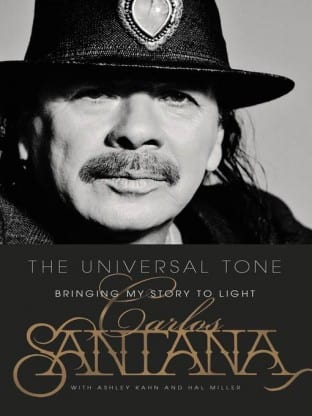
Ashley Kahn è un giornalista musicale, scrive per i principali magazine americani e ha pubblicato numerosi libri soprattutto sul jazz; quest’anno ha vinto il Grammy Award e si dice davvero orgoglioso di questo perchè «per i musicisti ci sono differenti premi per una canzone, mentre c’è un solo Grammy per chi scrive i libretti contenuti negli album». Ha da poco pubblicato con Carlos Santana The Universal Tone l’autobiografia ufficiale del chitarrista scritta a quattro mani, uscita in Italia con titolo Suono Universale – La mia vita (Mondadori). Un libro che va oltre lo sterile racconto di fatti avvenuti dove il titolo rispecchia completamente la profonda filosofia di vita del protagonista. Ashley Kahn ci racconta in questa intervista la sua percezione musicale e la figura di Carlos, «intensa come l’inferno e spirituale come il Dalai Lama».
(The english version is available at the end of the page)
Hai ricoperto diversi ruoli nel mondo musicale (deejay, produttore musicale, road manager). Sei soprattutto un giornalista, è questo il ruolo che più ti si addice?
Credo che sia tutto parte della stessa cosa. La passione per la musica e il supportare la sua forma d’espressione. Non riesco a vedere un ruolo migliore di un altro, ho avuto la fortuna di avere talento nello scrivere che comunque serve in qualsiasi lavoro nella vita. Qualcuno mi definisce “critico musicale”, ma odio quella parola.
Perché?
Perché non faccio recensioni, guardo alla musica in modo più filosofico. Se qualcuno si sta godendo un pezzo di musica io non voglio essere la persona saccente che dall’alto dice “non dovresti ascoltare questa roba”, il ruolo della musica è proprio quello di farti divertire, di coinvolgerti, ed è bellissimo. Se si vuole osservare la musica in maniera più profonda, capendo in che modo la musica riesce a parlarti, a parlare di vita, allora posso raccontare di John Coltrane o di Carlos Santana, delle storie e dei significati che nascono nella musica. Ma non voglio essere chiamato critico.
Hai scritto molto riguardo al jazz, tra i tuoi libri figurano anche Kind of Blue: The Making of the Miles Davis Masterpiece e A Love Supreme: The Story of John Coltrane’s Signature Album, dove racconti la storia dei due album. E’ il genere musicale che preferisci?
Il mio genere preferito cambia sempre, ma credo che nel jazz ci sia una cosa speciale. E’ una mia filosofia personale: se tu disegni un cerchio e nel contorno poni i più svariati stili musicali, rock’n’roll, pop, dance, musica classica, musica di altre culture, al centro puoi mettere il jazz. E’ un tipo di musica che si pone in maniera curiosa e si lascia ispirare da tutti gli stili. E’ una membrana aperta alle influenze che entrano ed escono, è lo stile musicale più poroso in assoluto perché non è legato alla tradizione ma è aperto all’innovazione, che essa venga dalla musica di altre culture o da quella di Katy Perry.
Molte persone non si avvicinano al jazz perché non lo capiscono.
Che cos’è la musica? Per me è una questione emotiva, la musica prima si percepisce nel cuore e poi nella testa. Ho comprato A Love Supreme di John Coltrane perché il proprietario del negozio di dischi mi disse: “Devi ascoltare questo”. A casa ho messo su il disco e mi sembrava una cosa completamente estranea, non riuscivo a capirlo. Poi accadde qualcosa quando lo riascoltai per la prima volta due anni dopo, all’università, e mi misi quasi a piangere. Ecco cosa è capace di fare la musica, è comunicazione di sentimenti, non bisogna capirla. Molte persone hanno una storia simile con questo disco: un ragazzo che suonava le congas nella band di Santana un giorno gli disse: “Qui c’è un canna e qui c’è A Love Supreme, ascoltalo”. Carlos lo ascoltò seduto nell’appartamento e poco dopo si chiese stranito cosa fosse quella roba. Ma tre anni dopo lo riascoltò e ne rimase folgorato. Anche John McLaughlin o Kenny Garrett, la prima volta che sentirono il disco non riuscirono a capirlo, a trovare una chiave per ascoltarlo. Bisogna lasciare semplicemente che la musica entri dentro di noi senza resisterle. Santana per la sua Samba Pa Ti aveva le parole ma ha decise di ometterle comprendendo quanto già potente fosse il messaggio solo con la melodia.
 Come hai conosciuto Santana?
Carlos ha letto il mio libro su A Love Supreme. Un giorno mi chiamò e mi chiese se potessi recarmi a Las Vegas (città dove lui abita), dovetti sostenere un audizione. Quello che mi aiutò a passare l’audizione fu il fatto di prendere appunti fin dal primo momento, fin dal primo incontro con Carlos, il suo manager e il suo agente per il libro. Avevo davanti a me il mio taccuino e segnavo quello che lui diceva, questo Carlos l’ha notato, ha capito che lo stavo veramente ascoltando. Diede alcune indicazione riguardo al libro, spiegò la sua idea e come lo voleva fatto, così io ho cercato di realizzarla. Universal Tone è il suo libro, non il mio. E’ la sua storia, la sua memoria e soprattutto la sua voce in parola, e questo non è stato semplice.
In che modo avete lavorato al libro?
Carlos racconta le storie dall’inizio alla fine e questo facilita la scrittura perché non tutti parlano in questo modo ma passano da una cosa all’altra. Ho più di ottanta conversazioni, al telefono, a Las Vegas, sul suo jet privato (ho alcune interviste sul mio registratore portatile dove si sentono i motori del jet), sono stato anche una settimana a Monaco con lui. Abbiamo viaggiato insieme nell’estate del 2013, questo mi ha dato ulteriori idee per il libro. Carlos ogni tanto fa cose fuori dal comune, parla alla gente come fosse un incantatore, ha grande carisma e potenza spirituale, trasforma ogni concerto in una sorta di esperienza spirituale.
Che tipo è Carlos Santana?
Carlos ha una storia incredibile. Arriva da una zona del Messico davvero molto povera, è nato e cresciuto in una piccola cittadina a due ora da Guadalajara, poi la sua famiglia si trasferì a Tijuana dove ha imparato a suonare la chitarra, a 14 anni suonava nei bar, negli strip club, finché non si è trasferito a San Francisco, giusto in tempo per vivere l’esplosione dei movimenti culturali giovanili degli anni ’60. Della sua storia Carlos ricorda tutto, l’emozione provata la prima volta che prese in mano una chitarra e il suo suono. Adesso lavora molto sulla componente spirituale, sul fatto di mantenere una mente “aperta”, e credo che questo lo aiuti anche con la memoria.
Perché è così importante per lui questa concezione spirituale?
Perché Santana vede la musica come una connessione di forze, vede la musica come una chiamata spirituale. Quello che vuole fare è svegliare le persone, cambiarle attraverso il potere della musica. Lui vede il suo credo spirituale, la sua musica e la sua vita personale come un insieme, tutte parti una stessa cosa.
E’ questo il Suono Universale?
Questa è la definizione di suono universale. E’ anche il riconoscere reciproco della forza spirituale, del “divino”, che c’è nel prossimo. La divinità non è un uomo con la lunga barba bianca, seduto su una montagna, ma è la forza che esiste nel mondo e che ognuno ha dentro, dobbiamo solamente scoprirla e riconoscere che è una cosa che tutti condividiamo. Certo ognuno ha distrazioni, compie azioni che vanno contro questa forza spirituale, anche Carlos ha distrazioni: quando ci sono incomprensioni con qualcuno poi rimane molto sul fatto, dice: “Ho commesso un errore, ho interrotto la connessione spirituale”. Ogni giorni è un costante ricordare la forza invisibile che ci unisce, come fare a mantenerla viva? Attraverso il suono universale, con la forza della musica. Anche se la musica non è la forza, la musica è la chiave per aprire lo spirito, l’anima, il cuore, per percepire questa stessa connessione. Sto pensando alla potenza emotiva di A Love Supreme, perché ha avuto un effetto così forte su di me non quando avevo 16 anni ma solo due anni dopo? Non lo so. Chi potrà mai saperlo?
Qual è la cosa più forte che ricorderai di questa esperienza con Santana?
Stare con Carlos è un po’ come stare con il Dalai Lama, è una persona positiva e fiduciosa al 100%, è determinata nei suoi obiettivi e intensa come l’inferno. Quando ti guarda è come se guardasse attraverso te, come usasse i raggi X, non è facile stare con lui tutto il tempo. Noi durante il giorno diciamo cose come: “Ciao, come stai? E’ un piacere vederti” anche se in realtà non le pensiamo, sono formalità. Carlos non fa così, lui dice: “E’ una benedizione averti qui”. E’ una responsabilità perché improvvisamente ti senti di dover essere all’altezza di quell’affermazione, facendo questo costantemente ogni tanto hai bisogno di un riposino (ride). Inoltre è un nerd del blues come me, parlavamo di un album di Buddy Guy del 1981 e conosceva tutte le tracce, e così per ogni altro album. C’è un intesa a questo livello, a livello filosofico e sulla musica in generale, ecco perché ci siamo incontrati.
[nextpage title=”English version”]
Ashley Kahn is a famous music journalist who writes for the main american music magazines, he has published several books especially about jazz; in 2015 he won the Grammy Award and he is very proud about this because «if you are a songwriter you have many ways to win a Grammy, there are different kind of rewards for song. But there is only one Grammy Award for writer of text, for the album notes». He wrote and published with Carlos Santana The Universal Tone, the official biography of the guitarist, a book that goes beyond the sterile narration of chronological events. The title reflects the deep philosophy of Carlos’ life. Ashley Kahn in this interview talks about his musical perception and about the figure of Carlos, «intense as hell and spiritual as the Dalai Lama».
What has came first into your life, passion for music or passion for writing?
Passion for music of course. I started to write about music when I was 14-15 years old, there was an assignment in the class for poetry and the teacher said: “You can use any kind of poetry”, so I said: “Can I use a song?” and I used a Bob Dylan song. That was the first time I tried to write about music and that was only focus on the lyric. There began my passion for writing about music but already before I loved music song.
You have played a variety of roles in the musical realm (deejay, producer, road manager). You are also a journalist, is this the best role suited to you?
I think it’s all part of the same thing. It’s passion for music and it’s support for music expression. I don’t see one things being better than another. I’m very fortunate that I had a talent, an ability to write. And this is good for any job in life. Peolple call me “critic”, but I hate that word.
Why?
Because I don’t do reviews, the way that I look at music is very philosophic. If someone is enjoying music I’m not going to be someone step in and say “you shouldn’t listen to this”. If you are having enjoyment then the role of the music is there, and it’s beautiful. If you want to go deeper, into the way that music can speaks to you and talks to you about life, about other things, then I can talk about John Coltrane, Carlos Santana and the stories and the meaning had this in the music. But I would never want to be called “critic”.
You have written a lot about jazz, in your books are also Kind of Blue: The Making of the Miles Davis Masterpiece e A Love Supreme: The Story of John Coltrane’s Signature Album, where you tell the story of these album. Is this your favourite type of music?
My favourite type of music changes all the time but I think there is something special about jazz. This is my personal philosophy: draw a circle and you put around rock’n’roll, pop, dance, classical, music from other cultures, if there is one kind of music that use inspiration and is curios about everything and can speaks the language of all of this difference styles is jazz. The membrane is very open to influence coming in and going back out. Jazz is the most porous of musical style because it doesn’t try to be only traditional but it’s open to innovation from anywhere, it could be music from the desert of North Africa or it could be Katy Perry.
A lot of people don’t understand jazz.
What is music? Music is emotional connection and when you say “I don’t understand it”, you are not suppose to feel the music in your head but in your heart. When I bought A Love Supreme at the record store the seller said: “You must listen to this”. At home I listened to it one time and I didn’t understand it, I didn’t feel it. Then something happend when I was at university and I decided to play it again: I was almost crying, I felt it! That’s the job of music, it’s a feeling communication, first in the heart and the in the head, it’s like a love affair. Many people have the similar story about A Love Supreme, a guys who plays congas in the original Santana said to Carlos: “Here is a joint, here is A Love Supreme, go and listen to some music”. He sat in the apartment and listened a Coltrane’s album and he said: “What is this?”. But three years later he came back on the album, and he was fascinated. Even John McLaughlin or Kenny Garrett, the first time they heard it they didn’t know what was going on, they didn’t understand. Let the music come through you, for example Carlos had words for Samba Pa Ti but he decided it was so beautiful and the message was stronger with melody that he didn’t use the words.
How did you know Carlos?
Carlos read my book about A Love Supreme. One day he called me and he said: “Can you come to Las Vegas?”, I had an audition there. I think what helped me with my audition is even when I first met him and his manager and the book agent I had a piece of paper in front of me and I was taking notes. I had my pad and a pen and Carlos noticed I was listening at him. He said some stuff about the book for example as he want it and I did everything that he wanted. This is his book, not my book and that is a big difference. I wanted it to be his story, his memories and his voice in words on paper and that’s not easy.
 How did you work at the book?
Carlos tells the story from the beginning to the end, it’s beautiful because most of peolple don’t talk like that. I have more than eighty conversation, on the phone, in Las Vegas, on his private jet (I have some interviews on my flash recorder where you can hear the engine of the flight), I stayed one week in Monaco with him. We travelled togheter during the summer 2013, he gaves me idea of structure for the book. Also he did some crazy things: like the way he talks to the audience, he is a charmer, he turns every music concert he his doing into religious spiritual kind of experience.
How is Carlos Santana?
Santana has an unbelievable story, he comes from a very poor part of Mexico. He was born in a small town and grew up in this town two hours away from Guadalajara, then the family moves to Tijuana and he learns to play guitars, at 14 years old he played in bars and strip bars, then he moved to San Francisco in time for the big explosion of youth culture in the ‘60s. He remeber everything of his story, he remembers the feel of the guitar when he first held it and the sound that the electric guitar made. He is very spiritual, he is working very hard on clarity, being open, and I think this help the memory too.
Why is such an important thing the spiritual component for him?
Because Santana sees music as a connect of force, he sees that as a spiritual calling. He wants to wake people up, he wants to change them through the power of music. Carlos sees his spiritual believe, his music and his personal life all parts of one thing.
Is this the Universal Tone?
Yes, that’s the definition of universal tone. It’s also recognized the divine that is in you, the same way that I have in me. So divinity is not a man with a long white beard sitting on a mountain but the divine force that exsists in the world is something everyone has inside, they need to wake it up, recognised it and see that is something that we all share, we are divine because we are. Everyone has distraction for the divine connection, Carlos has distraction, when he gets upseted somebody he says: “I made a mistake I’ve separate the connection”. Everyday we have a problem, we fall down, but we have to pick ourselves up and forgive ourselves and move on, that’s life. It’s a constant, vigilant reminding of the divine connection between all. How do you remind yourself and you remind people? With the universal tone, with the power of music. Music is the key that opens the spirit, the soul, the heart, to feel the connection. Music is like the deliver of the message. I’m thinking about the emotional power of the Love Supreme, why did it have such a powerful effect on me not when I was 16 but when I was 18? I don’t know, who knows?
What is the strongest thing you’ll remember about this experience?
I think in some ways all my musical career I was preparing myself for this. The effect of being around Carlos is like being around the Dalai lama. He is 100% positive and clear, he is confident in his purpose and intense as hell. When you looks at you, you feel like he is looking right through you with the X ray, it’s difficult to be around him all the time. During the day we say some things like: “Hi how are yoo, nice to see you” but it’s just a formality. Carlos doesn’t do that, he say: “It’s a blessing to have you here”. That’s a lot of responsability, suddenly you gonna be that blessing, doing that all the time you need to take a nap sometimes (laughs). Also he is a blues nerd like me, so we can talk about a Buddy Guy album from 1981 and I know all the tracks on it and the same for him, and we can talk about all the other album. So we are connected on this level, on the philosopical level and about music in general and I think that is why we were matched.